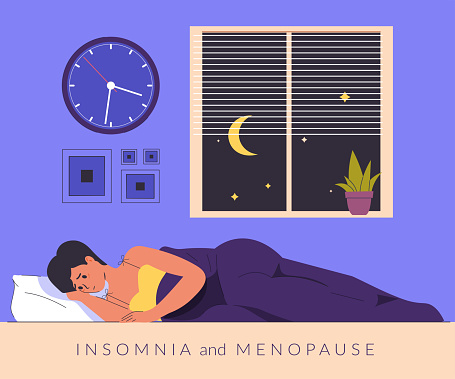
Menopause Awareness Month - Sleep Medicine
We all know how important sleep is for us, It allows our bodies to repair and rest. Sleep during the menopause is heavily impacted as our hormone levels drop and all the parts those hormones play within our bodies, sends us out of whack.
- Oestrogen helps to regulate our body temperature and mood
- Progesterone supports deep, restful sleep
- Testosterone helps with fatigue and mood
The above shows the roles in which the hormones play in our sleep. Hormones have many other roles within our body.
Why sleep matters in the Menopause
Sleep gives us energy, which is crucial when going through the menopause due to the above hormone changes. It also boosts our mood, reduces anxiety and helps to regulate our mood overall by regulating our hormones.
Brain fog is one of the most reported symptoms, sleep helps to support focus, memory and can also help you think more clearly as well as concentrate.
There are physical benefits of sleep, it also helps keep your heart healthy by reducing the heart rate and the amount of work placed on the cardiovascular system.
Challenges of sleep
Hot flushes, struggling to fall and stay asleep and restless leg syndrome are just a few of the challenges faced by simply trying to go to sleep. Our busy lives can often see us ignore patterns of sleep, it is important to try and recognise when it is becoming problematic. One of the ways to understand your sleep is to track what is challenging you, this can be a frustrating journey especially if you have always had a good sleep schedule.
Did you know that the risk of sleep apnoea is also increased after the menopause due to the loss of reproductive hormones (oestrogen and Progesterone). The symptoms can also be more subtle than with men and can be confused with insomnia.
Is there anything you can do?
Once you know the reasons you are having trouble sleeping, be it falling or staying asleep, it can give you an insight on what can be changed.
- Keeping the room cool, and dark
- Limiting screen time before bed – perhaps read instead
- Avoid caffeine and sugary foods/drinks from mid afternoon
- Stay hydrated throughout the day
- Add foods rich in magnesium as this supports relaxation and sleep. Foods rich in magnesium are; leafy greens, nuts, seeds and whole grains.
- Start your day with a little daylight
Of course, there may be so many things that are personal preference, some things that work for you may not work for others. Speak to a medical professional if sleep is becoming a problem as it can heavily impact you day to day. They may suggest HRT which there are now many different forms of.
The Domino effect
Sometimes symptoms we go through are not directly caused by the menopause but are a “domino” effect from the lack of sleep. This does not mean that each time you feel irritable, that it is because you had a bad night sleep (it may just sometimes be a coincidence). Other times when we have had a lack of sleep, we may feel hungrier, this is also an example of the “domino” effect. It can be difficult to determine what is a symptom and what is not, it is important to keep a symptom diary (this is also very helpful when seeking medical advice).